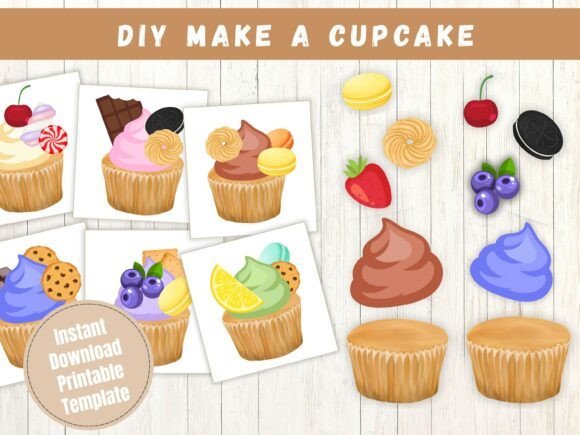
Reviewing the Cupcake Paper Toys Puzzle for Embroidery
As a designer who spends half my life digitizing and the other half stitching, I have learned that not every cute graphic translates well to thread. When I first encountered Make a Cupcake Paper Toys Puzzle, my initial reaction was curiosity mixed with professional skepticism. The product description highlights it as an easy-to-cut activity for little hands, categorized under Paper Toys and available as a 3D SVG. For a paper crafter, this is a goldmine. But for us in the embroidery world, the question is always: how does this visual personality hold up when converted into a machine embroidery design?
I decided to evaluate this asset not just as a digital file, but as a potential cornerstone for a real-world embroidery project. I wanted to see if the whimsical, structural nature of a cupcake puzzle could bring value to custom apparel, boutique merchandise, or personalized gifts. Here is my practical breakdown of using this design in a commercial or hobbyist stitching context.
First Impressions: Mood and Visual Personality
The immediate mood created by Make a Cupcake Paper Toys Puzzle is playful and nostalgic. It evokes the feeling of childhood craft tables and birthday parties. Visually, the layout relies on clean lines and distinct shapes, which is promising for embroidery. In digitizing, complex gradients are our enemy, but clear, bold outlines are our friends. The "puzzle" aspect suggests interlocking parts or layered elements, which can translate beautifully into appliqué or layered satin stitches.
However, because this originates as a 3D SVG intended for paper construction, the perspective might be tricky. Paper toys rely on tabs and folds that create depth physically. In embroidery, we must fake that depth with thread. If you are planning to use this for a tote bag design or a sweatshirt embroidery piece, you need to consider how those 3D cues will look when flattened onto fabric. Does the design lose its charm without the physical pop-up element? In my assessment, the charm remains, but it shifts from structural intrigue to graphic whimsy.
Real-World Application: From Digital File to Finished Product
I tested the concept by imagining a line of spring-themed products for a small shop. The goal was to create a cohesive look for an Etsy seller targeting parents and gift-buyers. Here is where Make a Cupcake Paper Toys Puzzle shines and where it requires caution.
For baby embroidery, such as bibs or onesies, the soft, rounded shapes of a cupcake are ideal. They are non-threatening and visually appealing to infants. If you adapt this into an applique design, using felt or cotton scraps for the cupcake wrapper and frosting, you reduce the stitch count significantly. This is crucial for baby items, where high stitch density can make the fabric stiff and uncomfortable against sensitive skin. A low-density fill stitch for the frosting, combined with a neat satin stitch border, would create a professional, high-quality handmade product.
On the other hand, using this for custom apparel like adult sweatshirts requires a different approach. The design needs to be scaled up. A tiny puzzle piece gets lost in the texture of a fleece hoodie. I recommend using the main cupcake shape as a large chest print or a back panel. The "puzzle" elements could be separated and stitched as scattered motifs around the main image, creating a dynamic composition rather than a static clip-art look. This adds perceived value to the finished product, making it feel like a custom illustration rather than a stock download.
Navigating Technical Challenges
While the aesthetic is strong, the technical execution of Make a Cupcake Paper Toys Puzzle demands attention to detail. Since this is originally a 3D SVG, you must verify if the embroidery file version (if provided separately) or your own digitization accounts for fabric behavior.
- Fabric Texture: On textured fabrics like terry cloth or heavy canvas, fine details may disappear. If you are stitching this on a tea towel or kitchen linen, ensure your lines are thick enough to stand out against the weave.
- Stretchy Fabric: Knits and jerseys shift during stitching. Without proper stabilization, the precise edges of a puzzle piece can warp. Always use a cut-away stabilizer for garments that will be washed frequently.
- Small Hoop Sizes: If you are working with a 4x4 hoop, you may need to split the design. The puzzle aspect implies multiple parts. Stitching them separately allows for better registration and reduces the risk of puckering.
- Dark Fabric: Light-colored cupcakes on dark navy or black fabric require careful planning. You cannot rely on the fabric to show through. You will need a solid white underlay or a full fabric appliqué base to ensure the colors pop. Test your thread colors against the background before committing to the final piece.
One specific area of concern is the "tabs" or connection points typical in paper toys. In paper, these are functional. In embroidery, they can look like accidental stray stitches if not integrated into the design logic. I advise simplifying these areas. Turn functional paper tabs into decorative elements, like small bows, sprinkles, or stitching accents, to maintain the theme while ensuring clarity.
Commercial Viability and Brand Consistency
For craft business owners, consistency is key. Does Make a Cupcake Paper Toys Puzzle fit your brand? If your shop specializes in whimsical, child-friendly items, this design is a strong asset. It works well for holiday embroidery, particularly birthdays or Easter. It also serves as an excellent personalized gift option when combined with a name or date.
However, buyer engagement depends on presentation. A raw stitch-out photo rarely sells. Use the design to create a printable mockup or stage a real-life photoshoot on a high-quality garment. Show the texture of the thread. Highlight the cleanliness of the satin stitch borders. Customers buy the feeling of quality. If the design looks messy or dense in your preview, they will assume the physical product is the same.
Furthermore, consider the licensing. Since this is sold as an instant download, clarify whether the license covers commercial use of the stitched items. Most digital embroidery files allow you to sell the physical embroidered patch or garment, but restrict the resale of the digital file itself. Always confirm this before listing items on your store.
Practical Designer Notes for Best Results
Before you load this into your machine for a client order, follow these steps to ensure professionalism:
- Test on Scrap Fabric: Never stitch a new design directly on the final garment. Use the same fabric type and weight to check for puckering or thread breaks.
- Check Stitch Density: If the design feels stiff after stitching, reduce the density in your editing software. Aim for a balance between coverage and flexibility.
- Inspect Small Details: Zoom in on the digital preview. Are there tiny jumps or unnecessary trims? Clean up the pathing to reduce production time.
- Contrast Check: View the design in black and white. If the details blend together, you need to adjust thread choices or simplify the layout.
- Stabilizer Selection: Match the stabilizer to the fabric. Lightweight woven needs tear-away; knits need cut-away; stretchy spandex needs water-soluble topping.
In conclusion, Make a Cupcake Paper Toys Puzzle offers a delightful visual foundation for embroidery projects, provided you adapt its 3D paper origins to the realities of thread and fabric. It is not just a cute graphic; it is a versatile element that, when handled with technical precision, can elevate your small shop product lineup. Whether you are creating a unique holiday embroidery gift or expanding your catalog of design assets, this cupcake motif has the potential to delight customers—if you respect the mechanics of the stitch.