Reviewing Embroidery Graphics Flowers SVG for Real Projects
As a designer who spends more time staring at stitch simulations than I care to admit, I have learned that not every pretty graphic translates well into thread. When I first pulled up the Embroidery Graphics Flowers SVG, my initial reaction was one of cautious optimism. The lines were clean, and the botanical motif felt timeless. However, in the world of Needle Arts, a good vector is only half the battle. The real test is how those curves behave when a needle punches through fabric at high speed. I decided to put this design through its paces, not just as a digital asset, but as a core component of a tangible, sellable product.
The First Impression: Mood and Visual Personality
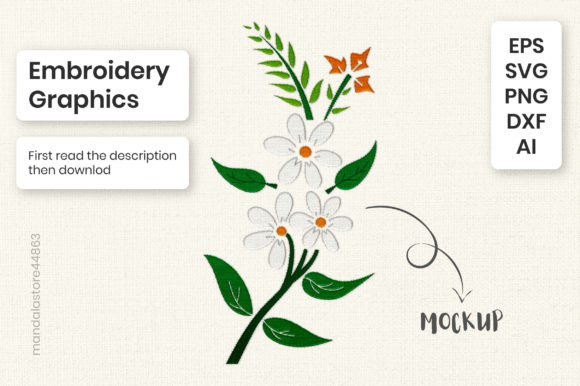
The aesthetic of the Embroidery Graphics Flowers SVG leans toward a delicate, organic feel. It does not scream for attention with aggressive boldness; instead, it invites a closer look. This subtlety is crucial for modern craft businesses. Today’s buyers, especially on platforms like Etsy, are moving away from overly saturated, cartoonish designs. They want sophistication. This graphic delivers that. The layout suggests a natural growth pattern, which makes it incredibly versatile. It feels equally at home on a rustic linen tea towel as it does on a structured denim jacket. For a designer, this versatility is gold. It means I am not locked into a single niche. I can use this same asset for a spring collection of baby clothes and a fall line of tote bags, simply by adjusting the thread palette.
Real-World Application: The Tote Bag Test
To truly evaluate the design, I needed a real-life scenario. I chose to create a custom embroidered tote bag, a staple item for any small shop product. Tote bags are tricky because the canvas fabric has a distinct weave that can swallow fine details if the stitch density is too low. I imported the SVG into my embroidery software to convert it into a machine embroidery design. Since the product description notes that you will need to convert the files in the embroidery apps, this step was mandatory. I digitized the floral elements using a combination of satin stitch for the stems and a light fill stitch for the petals.
The result was surprisingly robust. The design held its shape well against the textured background of the canvas. What impressed me most was the clarity of the smaller leaves. In many graphics, these tiny details turn into a messy clump of thread. Here, they remained distinct. This level of stitching clarity directly impacts customer trust. When a buyer sees a finished product where the details are crisp, they perceive higher value. It signals professionalism. For an Etsy seller, this distinction can be the difference between a one-time purchase and a loyal repeat customer.
Navigating Fabric and Hoop Constraints
While the design performed beautifully on canvas, I had to consider where it might struggle. Embroidery is unforgiving on certain surfaces. If you are planning to use this on stretchy fabric, such as a thin jersey t-shirt or a baby onesie, caution is required. The open spaces in the floral design could cause the fabric to pucker if not properly stabilized. I always recommend using a cut-away stabilizer for garments that will be washed frequently. For a personalized gift like a baby blanket, I would suggest testing the design on scrap fabric first to ensure the thread tension does not distort the material.
Hoop size is another critical factor. The Embroidery Graphics Flowers SVG is scalable, but scaling down too much can be disastrous. If you shrink it to fit a small 4x4 hoop for a cap or a pocket patch, the intricate parts of the flower may merge. Satin stitches have a maximum width before they become unstable. If the design elements become too narrow during resizing, you risk thread breaks and poor coverage. I advise checking the minimum viable size in your digitizing software before committing to a production run. For curved surfaces like caps, the design works best if placed on the front panel where the fabric is supported by buckram, rather than on the side panels where distortion is more likely.
Commercial Viability and Brand Consistency
For creative entrepreneurs and apparel decorators, consistency is key. You want your brand to have a recognizable visual language. This graphic fits seamlessly into a boutique branding strategy that values elegance and simplicity. It works exceptionally well for holiday embroidery projects, particularly for spring and summer collections. Imagine this floral motif on a set of kitchen towels or as an accent on a linen apron. These are high-margin items for handmade shop owners because the perceived value of embroidery is high, yet the material cost is relatively low.
However, there is a technical caveat that every commercial user must address. The product comes in AI, SVG, DXF, PNG, and EPS formats. It is not a native embroidery file format like PES or DST. This means you cannot simply load it onto your machine. You must possess digitizing skills or access to software that can auto-digitize vectors. Auto-digitizing is improving, but it is rarely perfect. I spent time manually adjusting the underlay and pull compensation to ensure the final stitched product looked polished. If you are new to this, be prepared for a learning curve. The quality of your finished product depends entirely on how well you convert these graphics into stitch data.
Practical Designer Notes for Best Results
Before you launch this design into your next commercial embroidery project, keep these practical tips in mind:
- Test on Scrap Fabric: Always run a test stitch-out on the exact fabric you plan to use. Thread behavior changes drastically between cotton, polyester, and blends.
- Check Thread Color Contrast: This design relies on shape. Ensure your thread colors contrast sufficiently with the fabric so the details do not get lost. A monochromatic look can be chic, but it requires precise tension.
- Review Stitch Density: If you are digitizing this yourself, avoid making the fill stitches too dense. High density leads to stiffness and potential fabric damage, especially on lighter materials.
- Inspect Small Details: Zoom in on your digitized preview. Look for traveling stitches that might be visible on the final product and minimize them.
- Verify Licensing: Before selling finished items or digital products, confirm the licensing terms. Ensure you have the right to use the design for commercial purposes.
Final Verdict on the Design Assets
The Embroidery Graphics Flowers SVG is a strong contender for designers who understand the technical side of embroidery. It is not a plug-and-play solution for beginners who lack digitizing tools, but for those who do, it offers a beautiful foundation for high-quality work. It enhances the visual appeal of simple garments and adds a touch of artisanal charm to home decor. Whether you are creating a sweatshirt embroidery piece for a local market or designing a line of printable mockups for your online store, this graphic holds up under scrutiny. It respects the medium of thread and allows the maker’s skill to shine through. With careful preparation and attention to stabilizer and hoop choices, this design can elevate your handmade product lineup significantly.