Reviewing Faux Embroidery Canva Frame Letters_1
As a designer who has spent years bridging the gap between digital assets and tangible stitched goods, I approach every new machine embroidery design with a critical eye. We often get caught up in the hype of instant downloads, but the real test is always how a file performs when it hits the fabric. Recently, I evaluated Faux Embroidery Canva Frame Letters_1, not just as a digital graphic, but as a potential cornerstone for client projects and small shop merchandise. This is not a traditional stitch file you load directly into your Brother or Janome machine; rather, it is a sophisticated digital asset designed for customization within Canva. Understanding this distinction is vital for any Etsy seller or creative entrepreneur looking to streamline their workflow without sacrificing professional quality.
The First Impression: Visual Texture and Mood
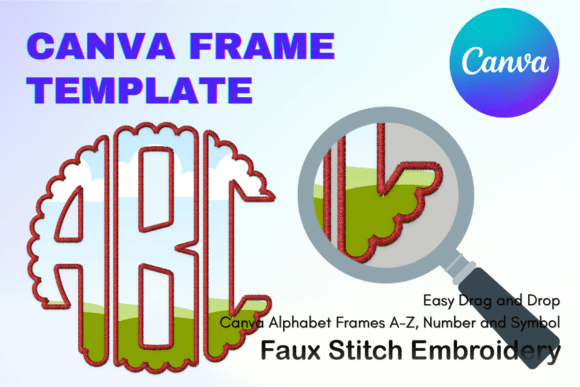
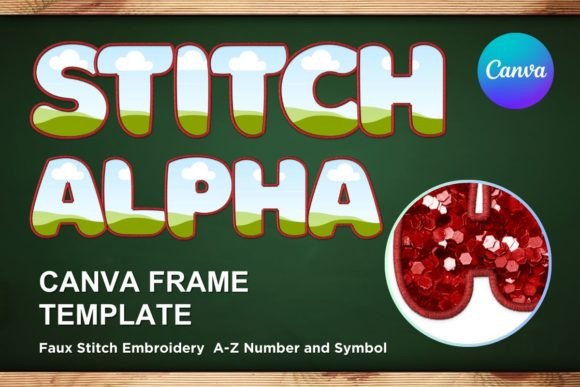
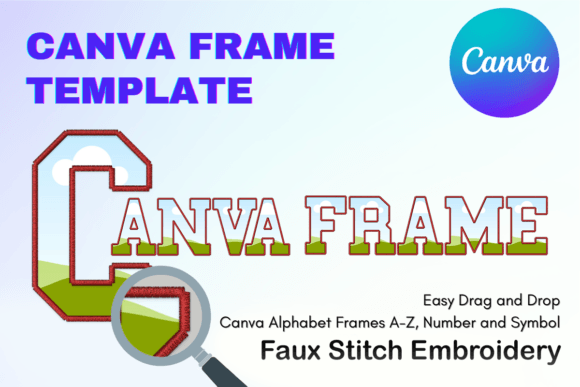
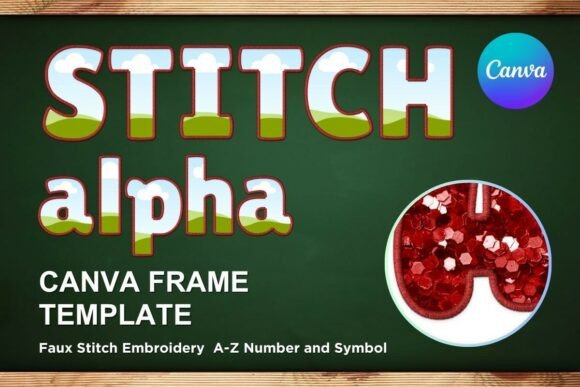
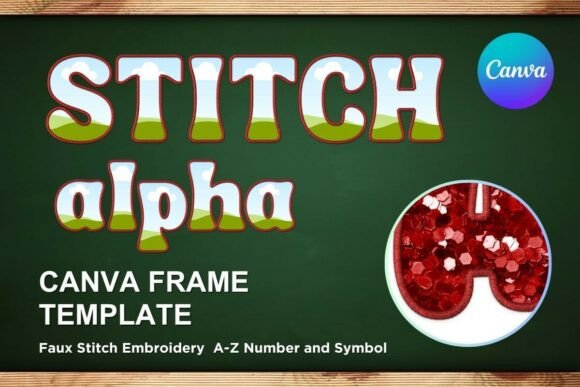
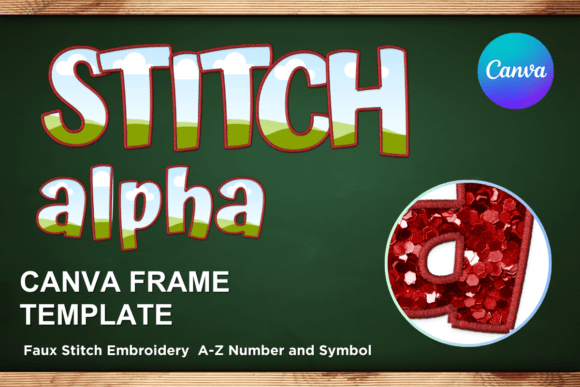
When I first opened the PDF to access the link for the custom-made Canva frames templates, my immediate observation was the versatility of the aesthetic. The "faux" aspect refers to the visual simulation of stitching, which offers a unique advantage for hybrid products. For those of us who create printable mockups or mixed-media items, having high-quality design assets that mimic the look of thread without the physical constraints of an embroidery file is incredibly valuable. The mood created by these frame letters is warm, artisanal, and inviting. It captures the cozy essence of handmade crafts, making it an ideal choice for brands that want to project authenticity and care.
The layout and detail level are balanced perfectly for readability while maintaining that textured, stitched appearance. In a real-world scenario, imagine preparing a custom tote bag design for a local bookstore. Instead of spending hours digitizing a complex font and testing stitch paths, you can drag and drop these elements into your canvas. The visual personality feels established and trustworthy, which is crucial for building customer confidence in your handmade product lines.
Real-World Application in Custom Apparel and Decor
I tested the concept of using Faux Embroidery Canva Frame Letters_1 in a hypothetical project for a boutique baby shower gift set. The goal was to create a cohesive look across a onesie, a bib, and a keepsake box label. Because this is a Graphics product intended for use in Canva, it shines in applications where physical stitching might be too costly or time-consuming for the price point, or where you need a consistent look across printed and stitched items.
For sweatshirt embroidery enthusiasts who also sell printed goods, this asset allows for brand consistency. You can use actual thread for high-end custom pieces and this faux design for lower-cost promotional items or digital previews. The 12x12 inch paper size format ensures that the resolution is sufficient for high-quality printing on demand services. Whether you are designing a holiday embroidery themed card or a year-round personalized gift tag, the ease of editing means you can adapt the text quickly for different customers without needing advanced digitizing software.
Consider the commercial embroidery sector where speed is money. While this specific product is a digital template, it serves as an excellent tool for creating professional-looking printable mockup images for your Etsy listings. Showing a customer what their name will look like in a stitched style before you even hoop the fabric can significantly increase conversion rates. It bridges the gap between the digital storefront and the physical finished product.
Navigating Limitations and Fabric Considerations
It is important to address where this design requires careful handling. Since Faux Embroidery Canva Frame Letters_1 is a visual representation rather than a functional applique design or standard stitch file, you cannot simply send it to your machine. If you intend to recreate this look with actual thread, you must consider the implications of stitch density and hoop size. The intricate details that look crisp on screen may require a fine satin stitch or a dense fill stitch when translated to physical embroidery.
When working with textured fabrics or stretchy materials like jersey knits for baby embroidery projects, the visual weight of these letters matters. If you are using this graphic to plan a physical stitch-out, be mindful that small corners and tiny lettering can get lost on thick towels or fuzzy fleece. I always advise testing on scrap fabric first. Check your thread colors against the fabric texture; high contrast is key to maintaining the legibility of the faux-stitch effect. For dark fabrics, ensure your digital mockup uses light threads to simulate the look accurately, or consider using a lighter stabilizer background if you are printing the design directly onto transfer paper.
Furthermore, for items that undergo frequent washing, such as kitchen towels or aprons, the durability of actual stitching surpasses any printed faux effect. If you are using this asset for printed goods, ensure you are using high-quality DTG or heat transfer methods to prevent cracking. For physical stitching inspired by this design, pay attention to the running stitch outlines that define the letters, ensuring they are tight enough to hold up to wear and tear.
Enhancing Brand Value and Customer Trust
From a business perspective, the value of Faux Embroidery Canva Frame Letters_1 lies in its ability to elevate your brand presentation. A cohesive visual identity builds trust. When your social media posts, website banners, and product tags all share the same artisanal, stitched aesthetic, you create a memorable brand experience. This consistency helps in recognizing your small shop product among competitors.
For craft business owners, time is a resource as valuable as thread. By utilizing easy drag-and-drop templates, you reduce the time spent on graphic design, allowing you to focus on production and marketing. This efficiency can directly impact your profit margins. Moreover, having professional-looking digital embroidery file previews or complementary printed graphics can enhance the perceived value of your custom apparel. Customers are more likely to engage with listings that show a clear, beautiful vision of the final item.
Practical Designer Notes for Best Results
- Verify Licensing: Before selling any finished product or using these assets in commercial projects, always confirm the licensing terms provided in the PDF. Ensure you have the right to use the designs for Etsy seller accounts and commercial sales.
- Test Contrast: Use black and white mockups to check the clarity of the letterforms. If the faux stitching blends into the background in monochrome, it may lack impact in color.
- Check Resolution: Since you receive a link to Canva templates, ensure that when you export your final images, they are at 300 DPI for any print applications.
- Simulate Physical Constraints: If you plan to stitch these designs based on the visual guide, remember that real thread has thickness. Adjust your expectations for hoop size limitations, especially for curved surfaces like caps.
- Stabilizer Selection: For physical recreations, match your stabilizer to the fabric weight. A cut-away stabilizer is often best for stretchy garments to prevent distortion of the letter shapes.
In conclusion, Faux Embroidery Canva Frame Letters_1 is a practical, versatile tool for the modern maker. It respects the time constraints of running a craft business while delivering the aesthetic appeal of traditional needlework. Whether you are creating holiday gifts, branding your boutique product line, or designing embroidered patch concepts, this asset offers a streamlined path to professional results. Just remember to distinguish between the digital graphic and the physical stitch, and use each where it performs best.