Faux Embroidery Canva Frame Letters: Premium Graphics
As a graphic designer who has spent over a decade refining brand identities and marketing visuals for small businesses, I approach every new graphic design asset with a mix of curiosity and skepticism. We are constantly bombarded with digital products promising to elevate our work, but few deliver the specific textural warmth that clients increasingly crave. Recently, I integrated Faux Embroidery Canva Frame Letters_20 into a branding project for a boutique handmade candle company, and the results offered valuable insights into how this specific type of Creative design element functions in a professional workflow.
The Visual Mood and First Impressions
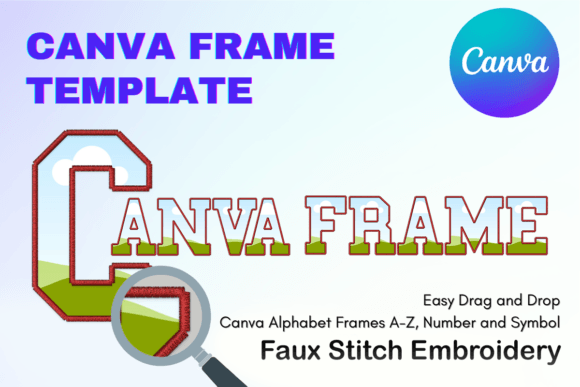
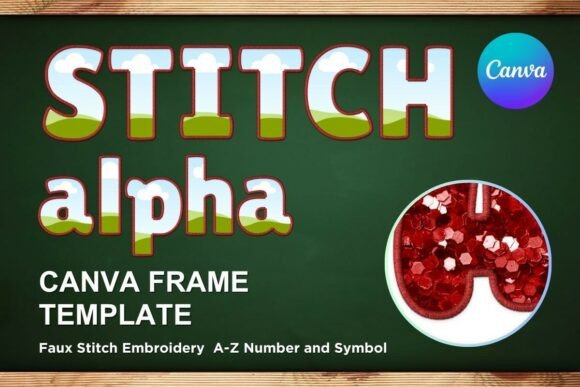
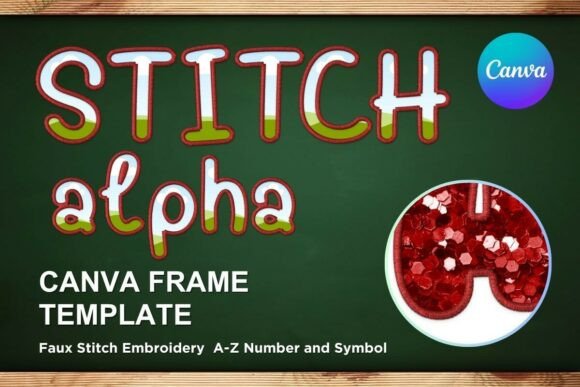
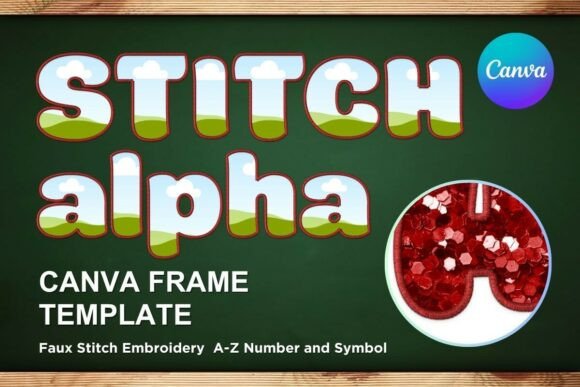
The immediate appeal of Faux Embroidery Canva Frame Letters_20 lies in its ability to mimic tactile craftsmanship within a digital space. In an era where screens dominate consumer interaction, there is a growing demand for visuals that feel "handmade" and authentic. This asset delivers that sensation effectively. The faux embroidery effect creates a sense of depth and softness, moving away from the sterile perfection of standard vector graphics. For a client aiming to project warmth, approachability, and artisanal quality, this visual style is incredibly potent. It does not just look like a font; it looks like a physical object, which significantly enhances the emotional appeal of the design.
Real-World Application in Client Projects
During the candle brand project, the goal was to create packaging that felt cozy and luxurious without appearing overly corporate. I utilized these letters for the primary label design. The texture of the embroidery effect paired beautifully with the minimalist sans serif font used for the ingredient list, creating a balanced visual hierarchy. The embroidered letters served as the hero graphic, drawing the eye immediately, while the cleaner typography handled the informational heavy lifting.
Beyond packaging, I have found this asset versatile across various mediums. For social media graphics, particularly Instagram posts and Pinterest pins, the textured look stands out against flat, solid-color backgrounds. It adds a layer of interest that stops the scroll. When designing invitations for a local wedding planner’s portfolio, the letters provided a romantic, soft aesthetic that resonated with the target audience. Furthermore, for Etsy product listings, using these frames in product mockups helps sellers visualize how their digital downloads might look when printed or applied to physical goods.
Ideal Use Cases for Maximum Impact
To get the most value from Faux Embroidery Canva Frame Letters_20, it is crucial to deploy it in contexts where its texture can shine. Here are the scenarios where this digital product performs best:
- Packaging Design: Ideal for labels on jars, boxes, and bags where a handmade or boutique feel is desired.
- Hero Graphics: Use large-scale versions as the focal point of posters, flyers, and website banners.
- Seasonal Campaigns: The cozy texture works exceptionally well for autumn, winter, and holiday-themed marketing visuals.
- Printable Wall Art: When scaled correctly, these make charming additions to nursery decor or bedroom prints.
- Sticker Design: Perfect for die-cut stickers that benefit from a textured, fabric-like appearance.
Limitations and Strategic Caution
While visually striking, this asset is not a universal solution. As designers, we must recognize where such detailed textures can hinder rather than help. The intricate details of the faux embroidery can get lost or appear muddy when scaled down too small. Therefore, it should be avoided in footer text, fine print, or complex layouts where space is limited. Additionally, this style clashes with ultra-modern, minimalist, or corporate brand identity projects that require sharp, clean lines and high contrast.
Another consideration is background contrast. Because the embroidery effect relies on subtle shadows and highlights to create the 3D illusion, placing it on busy or low-contrast backgrounds can reduce readability. It performs best on solid, light, or neutral backgrounds that allow the texture to pop. If you are working on a web design project with a dark mode interface, you may need to adjust brightness or add a subtle glow effect to ensure the letters remain legible.
Practical Designer Notes for Professional Use
Before delivering any final files to a client, I always run a series of checks to ensure quality and consistency. Here is my workflow when incorporating Faux Embroidery Canva Frame Letters_20 into a commercial design:
- Test Readability: Always preview the design at actual size. If the text becomes illegible when shrunk to business card dimensions, switch to a simpler font for secondary information.
- Check Contrast: Place the asset on both light and dark backgrounds to verify visibility. Ensure there is enough separation between the texture and the background color.
- Mockup Integration: Do not just view the design on screen. Place it on real product mockups, such as tote bags, mugs, or paper textures, to see how the digital effect translates to a simulated physical context.
- File Format Verification: Since this is a Canva template resource, ensure you understand the export settings. High-resolution PNGs are essential for print quality, especially for sublimation design or high-end print-on-demand items.
- Licensing Confirmation: Always review the commercial license terms. Confirm that you have the right to use the asset in client work, especially if you are selling the final design as part of a design bundle or standalone Etsy product.
Enhancing Brand Consistency and Trust
Using textured elements like Faux Embroidery Canva Frame Letters_20 can significantly boost small business branding efforts. For handmade sellers and crafters, consistency in visual tone is key to building trust. When a customer sees the same warm, textured aesthetic across social media, packaging, and website graphics, it reinforces the brand’s story of authenticity and care. This asset helps bridge the gap between digital presence and physical product, making the brand feel more tangible and reliable.
Moreover, in the crowded creative marketplace, standing out is essential. While many competitors rely on standard SVG design elements or basic clipart, incorporating high-quality faux embroidery effects can elevate a brand’s perceived value. It signals attention to detail and a commitment to quality, which can justify higher price points for physical goods.
Final Verdict on Usability
In conclusion, Faux Embroidery Canva Frame Letters_20 is a powerful tool for designers targeting niches that value warmth, tradition, and handmade aesthetics. It is not merely a decorative illustration; it is a strategic element that can define the mood of an entire campaign. Whether you are creating t-shirt design concepts, Cricut project files, or sophisticated editorial design layouts, this asset offers a unique textural quality that standard fonts cannot match.
However, its success depends on thoughtful application. Designers must respect its limitations regarding size and contrast, ensuring it serves the visual hierarchy rather than disrupting it. By treating this design asset with the same rigor as any other professional tool—testing, mocking up, and licensing correctly—you can unlock its full potential. For those in the handmade business sector or agencies serving them, this collection is a worthwhile addition to your library of design assets, offering a blend of charm and professionalism that resonates deeply with modern consumers.
Remember, this is a digital resource intended for creative integration. You will receive access to custom-made templates that facilitate easy drag-and-drop editing, typically formatted for standard paper sizes like 12x12 inches, making it highly compatible with various printable design workflows. By leveraging these tools effectively, you can create compelling, high-quality visuals that drive engagement and sales for your clients.