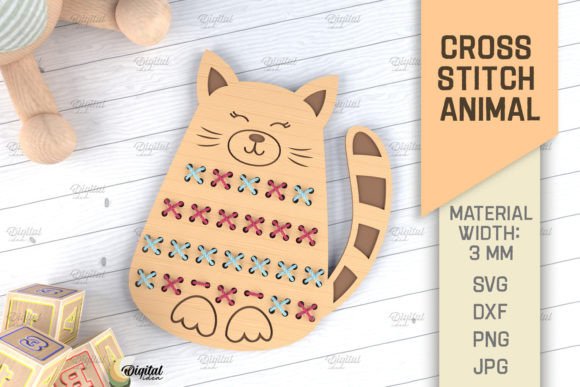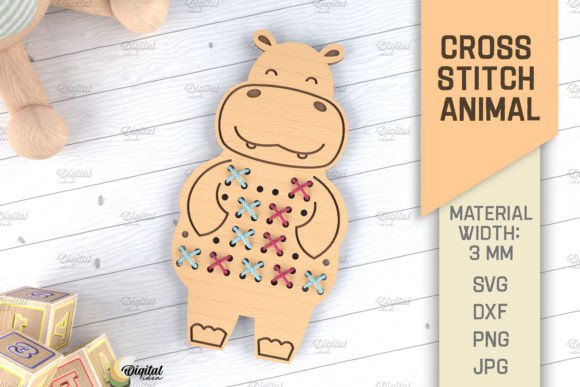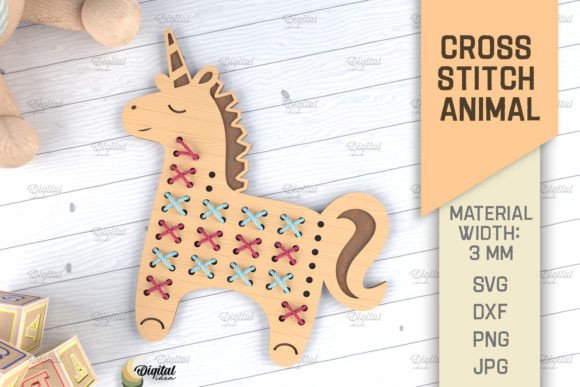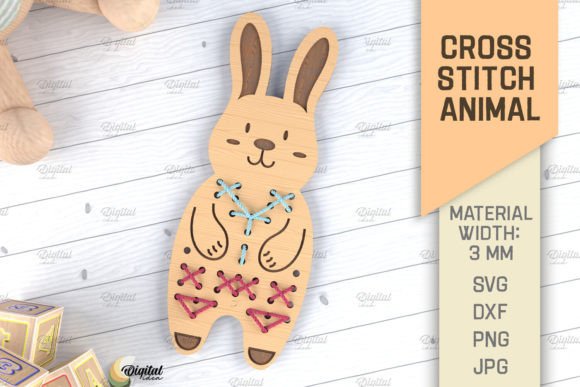
Reviewing the Pig SVG for Embroidery Projects
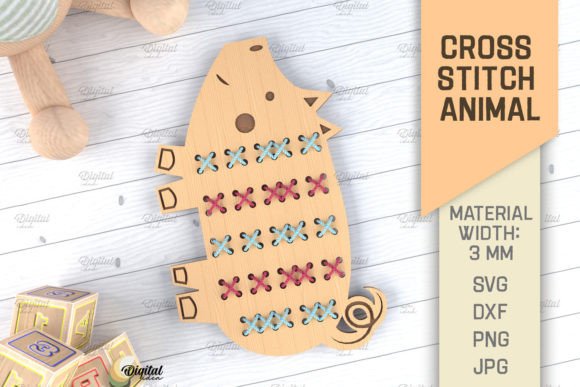
As a designer who spends more time staring at stitch maps than actual fabric, I have learned to be skeptical of digital assets that promise charm without delivering structural integrity. When I first pulled Cross Stitch Animals Laser Cut. Pig SVG from my asset library, I was not looking for a quick fix. I was evaluating it for a client’s boutique line of nursery decor and custom baby apparel. The premise is simple: a pig motif inspired by cross-stitch aesthetics, delivered as a vector file suitable for laser cutting or digital conversion. But does it hold up when translated into thread?
First Impressions and Visual Personality
The immediate appeal of this design lies in its nostalgic, handcrafted vibe. It mimics the pixelated, grid-based look of traditional cross-stitch, which creates a warm, homemade feel even before a single needle hits the fabric. For an embroidery designer, this aesthetic is a double-edged sword. It suggests simplicity, but true simplicity in machine embroidery requires precise digitizing to avoid looking messy.
The shape is compact and friendly, with a visual personality that leans toward whimsical rather than realistic. This makes it highly versatile. It does not scream "high fashion," but it whispers "thoughtful gift." In a market saturated with sleek, minimalist logos, this pig stands out because it feels human. It fits naturally into categories like Other Toys or playful home decor, bridging the gap between digital precision and tactile warmth.
Real-World Application: The Tote Bag Test
To truly understand the value of Cross Stitch Animals Laser Cut. Pig SVG, I applied it to a real-world scenario: a custom embroidered tote bag for a local farmer’s market vendor. The goal was to create a handmade product that felt artisanal but could be produced efficiently.
Using the SVG as a base, I converted the vector paths into a machine embroidery design. The blocky nature of the cross-stitch style translated surprisingly well into satin stitch borders and fill stitch interiors. On a heavy canvas tote, the design popped. The contrast between the bright pink threads and the natural beige fabric created a striking visual. Customers at the mock-up stage responded positively, noting that the design looked like a cherished heirloom rather than mass-produced merchandise. This reaction is crucial for any Etsy seller or small shop product creator; the perceived value of the item increases when the design feels intentional and cozy.
Performance Across Different Products
Beyond tote bags, I evaluated how this design performs on various substrates. For sweatshirt embroidery, the design works well because the thicker fabric supports the density of the stitches required to mimic the cross-stitch look. However, caution is needed. If you are working with baby embroidery on thin onesies, the stitch density must be reduced. A heavy fill can make the garment stiff and uncomfortable for sensitive skin.
For embroidered patch creation, this SVG is ideal. The clear, defined edges allow for clean cutting after stitching, whether you are using a manual trimmer or a laser cutter. Speaking of which, while the product title mentions Laser Cutting, as an embroiderer, I view this primarily as a guide for stitch placement. If you are indeed using it for laser cutting felt or leather appliques, the vector clarity ensures smooth edges without charring, provided your laser settings are calibrated for the material thickness.
In the realm of holiday embroidery or seasonal gifts, this pig motif is adaptable. Add a Santa hat, and it becomes a Christmas staple. Pair it with pastel colors, and it suits Easter baskets. This versatility makes it a valuable asset for commercial embroidery businesses that need to rotate inventory quickly without redesigning from scratch.
Technical Considerations and Pitfalls
While the design is charming, it is not without its technical demands. Here are the areas where I advise caution:
- Small Hoop Sizes: If you are stitching this in a 4x4 hoop, ensure the details do not become too compressed. The cross-stitch effect relies on visible individual "pixels" or blocks. If scaled down too far, these merge into a blob, losing the intended aesthetic.
- Textured Fabrics: On high-pile fabrics like fleece or terry cloth, the fine details of the cross-stitch pattern may get lost. Use a strong cut-away stabilizer to keep the fabric flat and prevent sinking.
- Dark Fabric: If stitching on black or navy, you must use a high-contrast thread palette. The design relies on color blocking. Low-contrast threads will make the pig look muddy and undefined.
- Curved Surfaces: Applying this to caps or curved hats requires careful hooping. The geometric nature of the design can distort if the fabric shifts. Always use a visor cap frame or appropriate jigs for consistency.
Enhancing Brand Consistency and Trust
For craft business owners, consistency is key. Using a distinct style like this cross-stitch pig helps build brand recognition. When customers see that specific pixelated animal style, they associate it with your shop’s quality and charm. It enhances customer trust because it shows attention to detail. A sloppy stitch-out destroys that trust, but a crisp, well-digitized version reinforces your professionalism.
Moreover, this design serves as an excellent printable mockup element. Before you even stitch a single thread, you can place the SVG on digital photos of blanks to create compelling social media content. This saves time and materials, allowing you to test market interest before committing to production.
Practical Designer Notes
Before you download and start stitching, keep these practical steps in mind:
- Test on Scrap Fabric: Never run a new design directly on your final product. Stitch it out on the same type of fabric and stabilizer you plan to use. Check for puckering or thread breaks.
- Check Thread Color Contrast: The cross-stitch look depends on distinct color blocks. Ensure your thread chart has enough variation to define the pig’s features, such as the snout and eyes.
- Verify Licensing: The product description notes this is a digital embroidery file and includes a zip folder. Always confirm the license terms. Can you sell finished items? Can you use it for commercial clients? Do not assume; read the included documentation.
- Inspect Small Details: Zoom in on the SVG. Are there stray nodes or overlapping paths? Clean up the vector if necessary before converting to stitch files to ensure smooth machine operation.
- Consider the End Use: If this is for a personalized gift that will be washed frequently, ensure you use polyester thread for durability and secure the backing properly to prevent fraying.
In conclusion, Cross Stitch Animals Laser Cut. Pig SVG is a robust tool for designers who understand its limitations and strengths. It is not just a cute image; it is a functional design asset that, when handled with care, can elevate custom apparel, home decor, and boutique merchandise. It bridges the gap between digital convenience and handmade charm, making it a worthy addition to any serious crafter’s library.