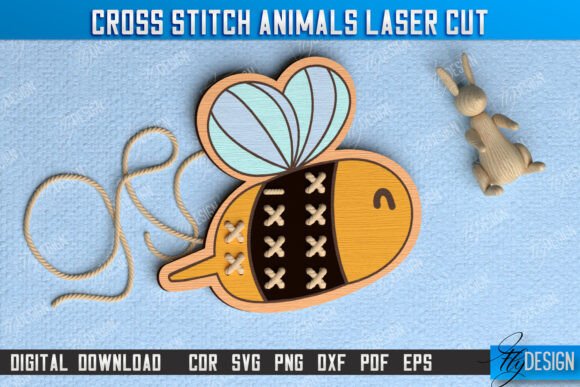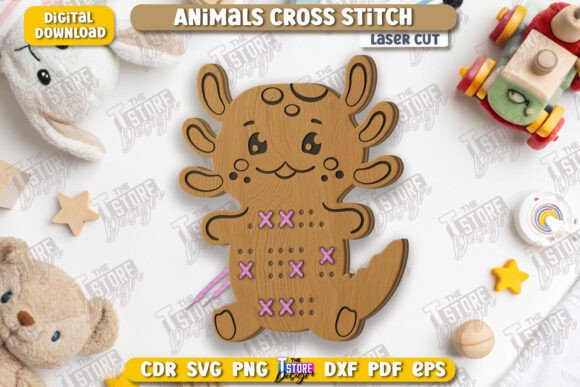
Review: Cross Stitch Animal Laser Cut Montessori
As a designer who spends half my life staring at digitized paths and the other half pulling threads through fabric, I have learned to look past the glossy preview images. We all know that what looks crisp on a screen can sometimes turn into a tangled mess on the hoop. When I first encountered the Cross Stitch Animal Laser Cut Montessori concept, my initial reaction was one of cautious curiosity. It sits in an interesting intersection of categories, bridging the gap between physical Laser Cutting templates and the aesthetic of traditional needlework.
This isn’t just another generic clip-art animal. The design carries a specific mood—playful, educational, and tactile. It evokes the warmth of a handmade nursery or a boutique children’s brand. For those of us running small shops or selling on Etsy, finding assets that feel authentic rather than mass-produced is a constant challenge. This design offers a visual personality that leans heavily into the "slow craft" movement, even if the production method involves modern CNC technology.
From Digital File to Physical Reality
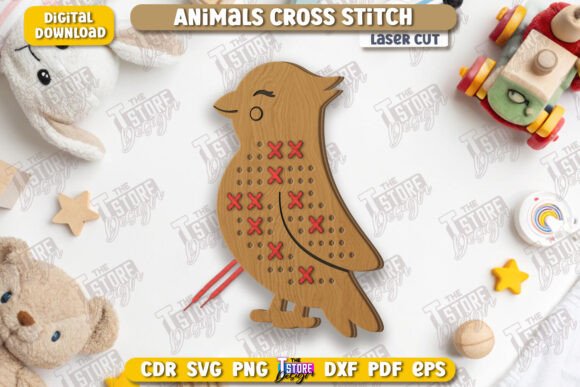
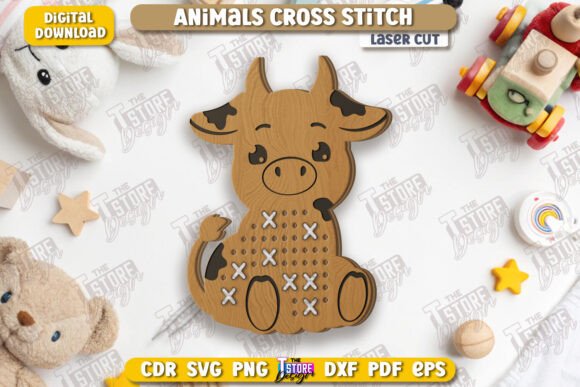
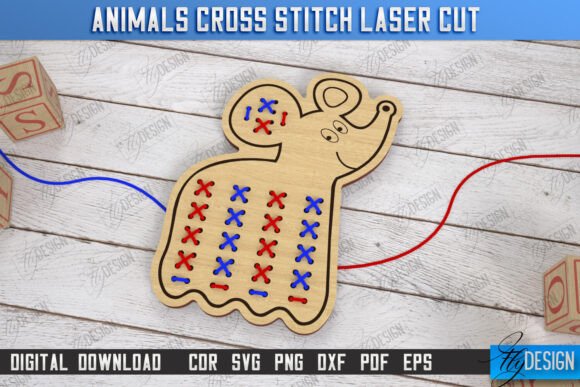
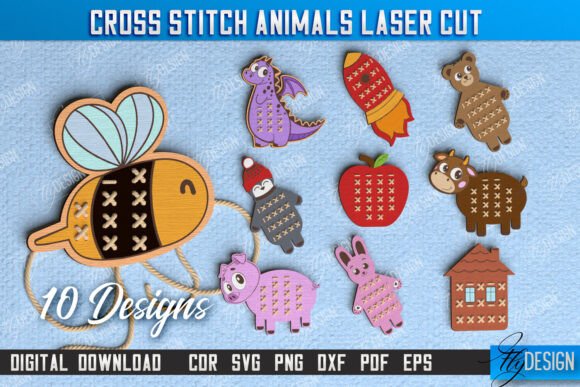
Let’s talk about how this translates to real-world embroidery projects. While the product description highlights its utility for laser cutting machines—where red lines indicate cuts and black lines indicate engraving—the visual language is inherently compatible with embroidery. The clean, bold outlines typical of Montessori-style lacing games translate beautifully into satin stitch borders or dense fill stitch areas when adapted for thread.
I recently considered using a similar animal motif for a custom order: a set of personalized tote bags for a local preschool’s fundraising event. The client wanted something durable, recognizable, and child-friendly. The Cross Stitch Animal Laser Cut Montessori aesthetic fit perfectly. The shapes are distinct enough to remain clear even when stitched onto textured canvas, a common issue with overly detailed designs. When you are working on a tote bag design, clarity is king. You do not want fine details getting lost in the weave of the fabric.
For sweatshirt embroidery, the story changes slightly. Here, the plush texture of fleece or French terry can swallow up thin lines. If you are adapting this concept for apparel, you must increase the stitch density and widen your satin columns. A design that works for a wooden lacing toy might need significant adjustment to pop on a dark navy hoodie. Always test your embroidery file on scrap fabric that matches your final garment. What looks good on cotton may disappear on polyester blends.
Navigating Fabric and Hoop Constraints
One of the most critical aspects of using any design asset is understanding its limitations. This particular style, with its emphasis on clear, educational shapes, performs best on stable fabrics. If you are attempting cap embroidery, be wary. Curved surfaces distort designs, and the geometric precision of Montessori-style animals can look warped if the hooping isn’t perfect. I recommend using a sturdy stabilizer and possibly a backing that adds structure without adding bulk.
For baby embroidery, such as onesies or burp cloths, softness is paramount. High-density stitching can create stiff patches that irritate sensitive skin. In these cases, consider using an applique design approach. Use the animal shape as a cut-out piece of soft minky or cotton, secured with a narrow zigzag or satin stitch. This reduces the amount of thread on the skin while maintaining the visual appeal of the Cross Stitch Animal Laser Cut Montessori theme. It also speeds up production time, which is vital for craft business owners managing tight deadlines.
Dark fabrics present another challenge. The charm of this design often lies in its contrast. On black or deep charcoal fabric, you will need to carefully select your thread colors. Bright, saturated hues work well, but avoid neon tones that can look cheap against high-quality garments. Test your design in black and white mockups first to ensure the value contrast holds up before you commit to colorful threads.
Commercial Viability and Brand Consistency
For Etsy sellers and independent makers, the perceived value of a product is tied to its presentation. A well-executed embroidery project signals quality and care. Using a cohesive design language helps build brand recognition. If your shop specializes in educational toys or mindful parenting products, integrating the Cross Stitch Animal Laser Cut Montessori vibe into your handmade product line creates a strong narrative. It tells the customer that you understand their values.
However, we must address the elephant in the room: licensing and file types. The product description mentions it is great for Laser Cutting Machines and specifies cut and engrave lines. It does not explicitly state that it includes a native machine embroidery design file format like PES, DST, or EXP. As a professional, I cannot stress this enough: do not assume compatibility. If you are buying this primarily for embroidery, verify the file formats included. If it is purely a vector file for laser cutting, you will need to digitize it yourself or hire a digitizer to convert those vector paths into stitch data. This is a crucial step for anyone looking to use this as a digital embroidery file source.
If you are creating printable mockups for your online store, ensure that the digital representation matches the physical reality. Over-saturated photos can lead to customer disappointment. Show the texture of the stitches. Highlight the dimensionality. This builds trust and reduces return rates.
Practical Designer Notes
Before you launch this design into your next commercial embroidery run, take a moment to review these practical steps:
- Test on Scraps: Never stitch directly on your final product. Use identical fabric and stabilizer combinations to check for puckering or thread breaks.
- Check Stitch Density: Ensure the fill areas are not too dense for lightweight fabrics, which can cause tearing or distortion.
- Verify Licensing: Confirm whether the license allows for commercial use of finished items. Some designers allow you to sell the physical product but prohibit reselling the digital file itself.
- Contrast Check: View your design on both light and dark backgrounds. Adjust thread colors to maintain visibility and aesthetic appeal.
- Hoop Size Confirmation: Make sure the design fits within your machine’s maximum hoop size, especially if you plan to scale it up for larger items like pillow covers or blankets.
In the world of Other Toys Games and educational crafts, the Cross Stitch Animal Laser Cut Montessori design stands out for its clarity and charm. Whether you are laser cutting wooden lacing toys or embroidering custom apparel, the key is respecting the material. Thread behaves differently than wood or acrylic. By adapting the design with careful attention to stitch type, density, and fabric choice, you can create a finished product that is not only visually appealing but also durable and professionally crafted. This is what separates a hobbyist from a trusted brand.