Cross Stitch Cow Laser Cut Montessori: A Designer’s Review
As an embroidery designer who has spent years translating digital concepts into tangible, stitched realities, I approach every new asset with a critical eye. We are not just looking at pretty pictures; we are evaluating structural integrity, visual balance, and commercial viability. Recently, I came across the Cross Stitch Cow Laser Cut Montessori design. At first glance, the title suggests a hybrid product—part embroidery pattern, part laser-cut template—but for those of us in the handmade space, understanding how these elements intersect is crucial for creating unique, high-value items.
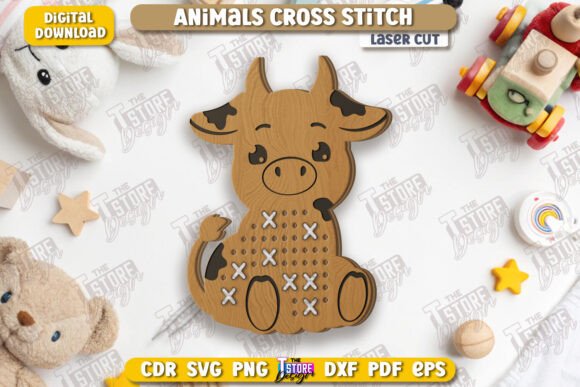
The initial impression of this design is one of playful simplicity mixed with educational intent. The cow motif is rendered in a style that mimics traditional cross-stitch aesthetics, which translates beautifully into machine embroidery through careful digitizing. The mood is gentle, rustic, and child-friendly, making it an immediate candidate for nursery decor or baby-related merchandise. However, the "Laser Cut" aspect mentioned in the description hints at a multi-media application. For the modern craft business owner, this duality offers a chance to create layered products that stand out in a saturated market.
Visual Appeal and Stitching Clarity
When evaluating a machine embroidery design like this, the first thing I check is the clarity of the lines. The cow shape needs to be distinct enough to read from a distance but detailed enough to hold interest up close. In this case, the design leverages the blocky, pixelated nature of cross-stitch to its advantage. This aesthetic reduces the need for complex satin stitch boundaries on every tiny detail, allowing for cleaner fill stitch areas that are less prone to puckering.
The visual personality of the Cross Stitch Cow Laser Cut Montessori is inherently charming. It avoids the overly cartoonish look that can sometimes cheapen children’s products, opting instead for a more artisanal, handcrafted feel. This is vital for Etsy sellers and boutique owners who rely on perceived quality. When a customer sees this design on a tote bag design or a sweatshirt embroidery piece, they perceive effort and thoughtfulness. The contrast between the black and white (or colored) blocks creates a strong graphic impact, ensuring the image remains recognizable even after multiple washes.
Real-World Application Scenarios
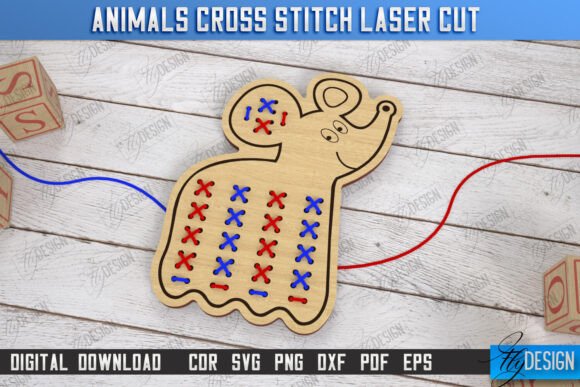
Let’s move beyond theory and look at how this design performs in actual production. I recently considered using a similar motif for a custom line of organic cotton baby bibs. The Cross Stitch Cow Laser Cut Montessori fits perfectly here. Because the design mimics lacing games often found in Montessori toys, it bridges the gap between decoration and interactive play. Imagine embroidering this onto a sturdy canvas apron for a toddler’s kitchen set. The durability of the stitch pattern ensures it withstands the rigors of daily use.
For commercial embroidery projects, versatility is key. This design works well on:
- Tote bags: The bold lines stand out against natural canvas textures.
- Pillow covers: Ideal for nursery themes, adding a tactile element to home decor.
- Embroidered patches: Can be hooped separately and applied to denim jackets or backpacks.
- Holiday gifts: Perfect for personalized Christmas stockings or Easter baskets.
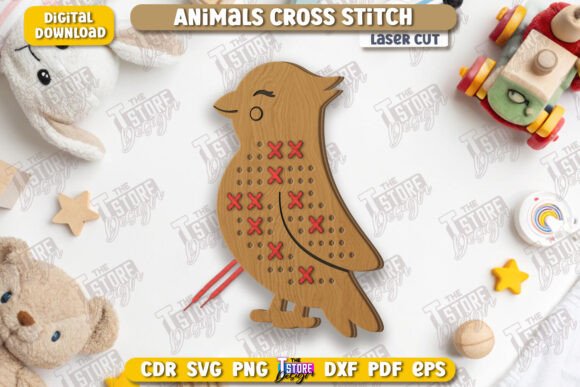
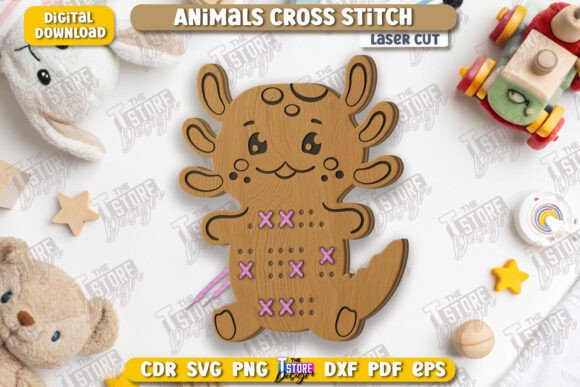
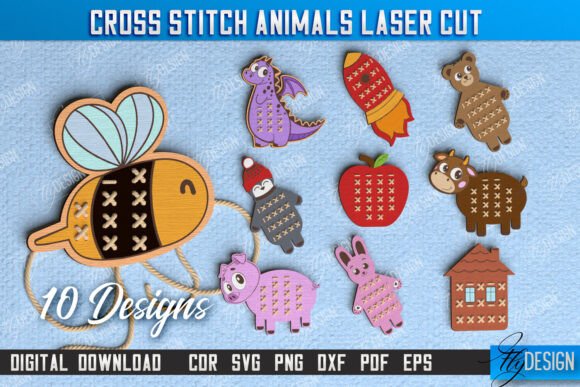
The mention of Laser Cutting in the product description opens another avenue. If you have access to a laser cutter, you could cut wooden or felt shapes based on the outline and combine them with the embroidered fabric. This mixed-media approach elevates a simple handmade product into a premium personalized gift. It allows you to charge more because the item feels bespoke and complex, even if the production process is streamlined.
Technical Considerations and Fabric Choices
No design is universal, and knowing where to exercise caution is what separates amateurs from professionals. While the Cross Stitch Cow Laser Cut Montessori is robust, it requires thoughtful execution. Here are my practical notes for designers:
- Fabric Texture: This design thrives on stable fabrics like cotton twill, linen, or canvas. Avoid highly textured fabrics like thick wool or fluffy fleece, as the small "cross-stitch" details may get lost in the pile.
- Stabilizer Selection: Given the potential density of fill stitches in a block-style design, using a cut-away stabilizer is advisable for garments that will be washed frequently. For tote bags, a heavy tear-away might suffice, but always test first.
- Hoop Size: Ensure your hoop size accommodates the full design without cropping. If you are scaling the design down for a cap or a small pocket, check that the smallest details do not become too dense, which can cause needle breaks or thread bunching.
- Thread Colors: Test your thread palette. High contrast works best for the cross-stitch effect. If you choose low-contrast colors, the definition of the cow’s features may blur. Always run a test stitch on scrap fabric before committing to your final material.
Be particularly careful with stretchy fabrics. The geometric nature of the design does not forgive distortion. If you are embroidering on a jersey t-shirt, use a strong stabilizer and consider adding a backing to prevent the fabric from stretching out of shape during the stitching process.
Commercial Viability and Brand Consistency
For small shop products, consistency is brand currency. The Cross Stitch Cow Laser Cut Montessori offers a cohesive look that can be repeated across various product lines. Whether you are selling digital embroidery files or finished goods, the recognizability of the motif helps build brand identity. Customers begin to associate that specific cow style with your shop.
Moreover, the educational angle implied by "Montessori" adds marketing value. Parents are increasingly drawn to toys and items that promote development. By positioning this embroidery as part of a lacing game or educational tool, you tap into a niche market willing to pay for quality and purpose. It transforms a simple embroidery project into a developmental aid.
However, always verify the licensing terms. The description mentions it is great for laser cutting machines and specifies red lines for cut and black for engrave. If you are using this strictly for embroidery, ensure you have the rights to modify or use the vector data if it comes in a combined format. For craft business owners, protecting your intellectual property and respecting others' is paramount. Check if the file includes specific applique design instructions or if it is purely a fill/stitch file.
Final Verdict
The Cross Stitch Cow Laser Cut Montessori is a versatile asset for the modern maker. It balances aesthetic charm with technical practicality. While it requires attention to fabric choice and stabilizer selection, the results are professional and engaging. Whether you are creating a custom apparel line, designing printable mockups for your online store, or crafting unique holiday embroidery gifts, this design holds up under scrutiny. It reminds us that even in a digital age, the tactile joy of stitching and the warmth of a handmade touch remain irreplaceable. Use it wisely, test thoroughly, and let your creativity bridge the gap between digital precision and human craft.