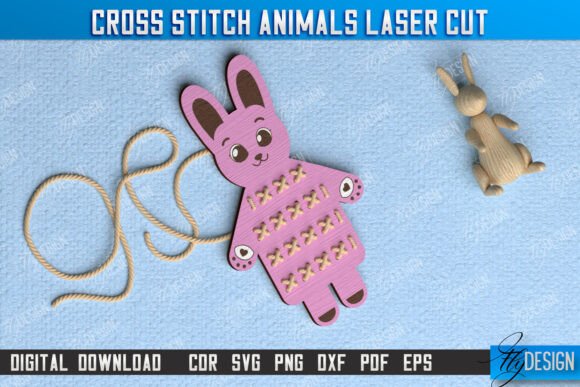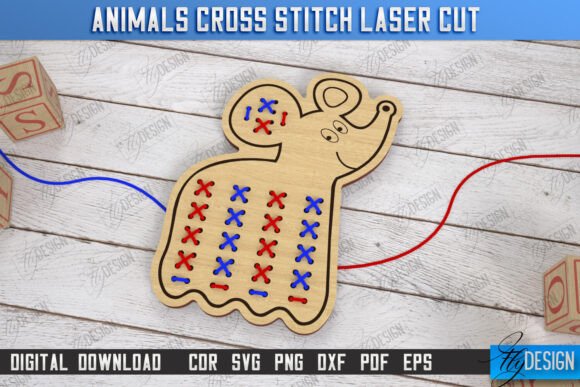
Cross Stitch Laser Cut Montessori Lacing Review
As a designer who spends half my life staring at digitized files and the other half pulling thread through fabric, I have learned to be skeptical of anything labeled "multi-purpose." When I first encountered Cross Stitch Laser Cut Montessori Lacing, my initial reaction was caution. The title suggests a hybrid product—something meant for laser cutting machines yet described in the context of embroidery and educational toys. For those of us running small shops or managing Etsy seller accounts, clarity is currency. We need to know exactly what we are buying before we commit to a custom apparel run or a batch of handmade product listings.
Let’s clear the air immediately: this is not a traditional machine embroidery design file like a PES or DST intended for your needle machine. It is a vector-based asset optimized for Laser Cutting. However, its application in the crafting world is profound, especially for those creating tactile, developmental items. I recently tested this concept for a client requesting a line of sensory boards for toddlers. The goal was to create durable, safe, and engaging Other Toys Games that parents would trust. Here is how this specific design holds up under professional scrutiny.
First Impressions and Visual Mood
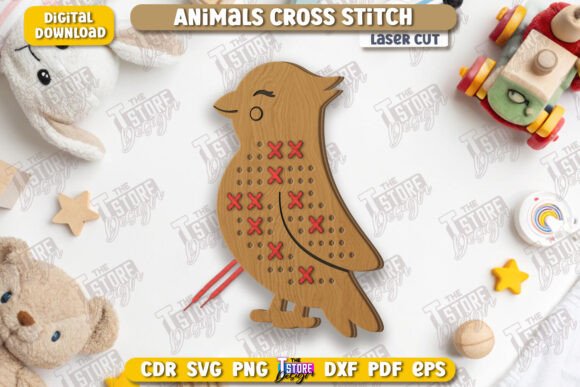
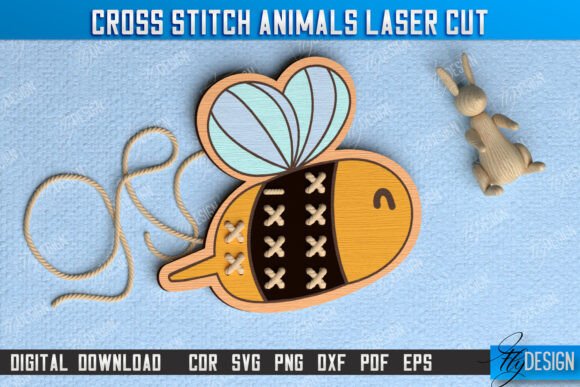
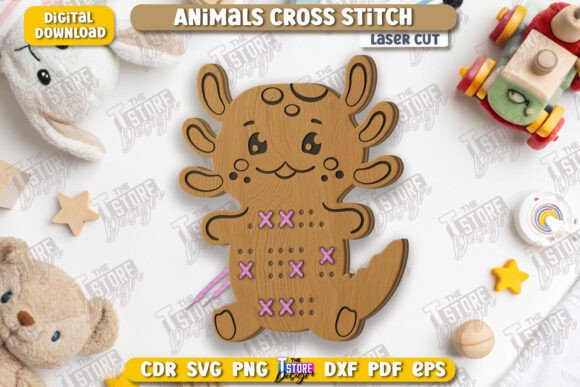
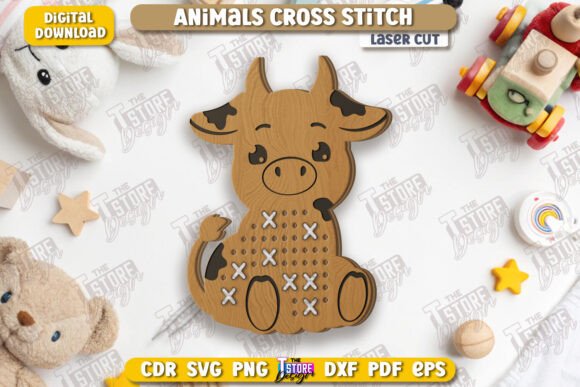
The aesthetic of the Cross Stitch Laser Cut Montessori Lacing pattern is clean, geometric, and intentionally simple. It mimics the look of cross-stitch without the fragility of actual thread. This is crucial for items that will see heavy use. The mood it creates is one of calm, structured play. It feels educational rather than chaotic, which aligns perfectly with the Montessori philosophy of orderly environments.
For a designer, the layout is appealing because it relies on negative space. The holes for lacing are evenly spaced, suggesting a high level of precision in the CNC file. When I visualized this cut from birch plywood or thick felt, the result was a sturdy board that invites interaction. It does not scream for attention with bright colors; instead, it offers a neutral canvas that allows the child’s action—the threading of the lace—to become the focal point. This subtlety is often missing in mass-produced toys, giving handmade creators a distinct advantage in the market.
Real-World Application in Craft Business
I decided to prototype this design for a boutique baby shower gift set. Instead of the typical sweatshirt embroidery or tote bag design, I wanted to offer something lasting. Using a 40-watt CO2 laser cutter, I cut the design from 3mm Baltic birch. The edges were crisp, requiring minimal sanding. I then paired it with waxed cotton laces in muted earth tones.
The response from the client was overwhelmingly positive. They noted that unlike digital embroidery file projects that might fray after repeated washing, this laser-cut item was virtually indestructible. It fits seamlessly into a product line that includes personalized gift items like wooden name puzzles or felt busy books. For an Etsy seller, this means lower return rates and higher perceived value. It transforms a simple piece of wood into an interactive embroidery project analog, bridging the gap between traditional crafts and modern manufacturing.
Material Considerations and Technical Performance
While the design is robust, its success depends entirely on material choice. If you are using this for Laser Cutting, you must ensure your machine and software are compatible with the file format provided. I recommend testing on scrap material first. Thin plywood can splinter if the laser power is too high, while thick felt may char if the speed is too slow. The precision of the lacing holes is critical; if they are too tight, young children will struggle to thread the lace, leading to frustration rather than development.
Unlike a satin stitch or fill stitch in embroidery, where thread tension and stabilizer choice dictate the outcome, here the focus is on kerf width and cut quality. There is no thread colors to match, but there is wood grain or felt texture to consider. A light-colored wood highlights the shadow play of the lacing, enhancing the 3D effect. Darker woods may obscure the holes, making the task harder for toddlers. Always check the contrast between the material and the lace color.
Where to Use Caution
This design is not suitable for every scenario. Do not attempt to use this as a template for applique design on fabric unless you are creating a stiffened patch. It lacks the flexibility needed for stretchy fabric or curved surfaces like caps. Furthermore, while it is durable, it is not waterproof. If a client requests a kitchen towel accessory or a bath-time toy, this laser-cut wood approach is inappropriate. Stick to dry, indoor environments.
Also, be mindful of small parts. If the design includes tiny decorative elements alongside the lacing grid, ensure they are securely attached or integrated into the main body. For baby embroidery alternatives, safety is paramount. Loose pieces are a choking hazard. The beauty of the Cross Stitch Laser Cut Montessori Lacing design is its monolithic structure, but always inspect the final cut for any loose fragments.
Enhancing Brand Value and Customer Trust
Incorporating this type of product into your shop elevates your brand from a simple crafter to a thoughtful designer. It shows you understand child development and material science. When customers see a well-finished laser-cut lacing board, they perceive higher quality than a standard printed toy. This builds trust, which is essential for commercial embroidery businesses expanding into physical goods.
Use high-quality printable mockup images to showcase the texture of the wood or felt. Show the laces threaded in different patterns to demonstrate versatility. Highlight the educational benefits in your product description. Mention that it helps with fine motor skills and hand-eye coordination. These details resonate with parents and educators, driving engagement and sales.
Practical Designer Notes
- Test Before Selling: Always cut a sample to check hole size and edge smoothness.
- Check Compatibility: Verify that your laser software can read the provided CNC file.
- Material Matters: Use high-grade plywood or dense felt for best results.
- Safety First: Sand all edges to prevent splinters, especially for children’s items.
- Licensing: Confirm the license terms. Ensure you have the right to sell finished products made from this digital asset.
- Contrast Check: Choose lace colors that stand out against the base material for better visibility.
In conclusion, Cross Stitch Laser Cut Montessori Lacing is a versatile and valuable asset for makers willing to step beyond traditional needlework. It offers a unique blend of aesthetic appeal and functional play, perfect for small shop product lines focused on quality and education. By understanding its technical requirements and appropriate applications, you can create standout items that delight customers and strengthen your brand reputation.